 By Scott Will
In the world of fitness, progress is often measured by how much you lift or how fast you move. However, there’s an equally important side to training that’s often overlooked—recovery and injury prevention. More people are now realising that the best gym in Singapore isn’t just where you go to push your limits, but also where you learn how to train smart, rest effectively, and protect your body from setbacks.
Injuries, muscle fatigue, and burnout are common when fitness is approached without balance. Especially in a high-performance culture like Singapore’s, it’s easy to fall into the trap of overtraining or ignoring signs of strain. The best gyms are evolving their approach by creating recovery-friendly environments and teaching members how to build strength without breaking themselves in the process.
Recovery: The Missing Piece in Most Fitness Plans
Recovery is more than just taking a break. It’s an active part of progress that allows your body to adapt, rebuild, and improve. Without proper rest, muscles don’t repair properly, energy levels drop, and the risk of injury rises. The best gym in Singapore incorporates recovery strategies into training programmes, ensuring members achieve more in the long term, not just quick results.
Recovery doesn’t mean inactivity. It includes practices like mobility training, guided stretching, foam rolling, breathing exercises, and even structured rest days. When programmed correctly, these techniques accelerate performance, boost mood, and reduce the likelihood of injury.
Why Injury Prevention Matters at Every Fitness Level
Injuries can derail even the most motivated person’s fitness journey. A pulled muscle or joint strain can lead to weeks—or even months—off training. More than just the physical impact, it affects motivation and confidence.
The best gyms in Singapore put injury prevention front and centre. They teach members how to move well before they move fast. Correct form, proper warm-ups, and progressive loading strategies are standard practice. There’s an understanding that sustainable gains come from training smarter, not just harder.
Intelligent Programming Tailored to Individual Needs
A major reason people get injured is mismatched programming. Doing too much too soon, following generic routines, or skipping key movement patterns increases strain on the body. The best gym in Singapore provides personalised or tiered programmes that consider your age, fitness level, past injuries, and goals.
Progressive overload is a good thing—if done right. Smart programming introduces new intensity gradually, so your body has time to adapt. It also includes mobility drills and rest phases, treating recovery as an essential part of the cycle.
Facilities and Equipment That Support Recovery
Not all gyms are built the same. Some focus purely on machines and weights. But the best gyms go further by providing recovery tools and spaces to unwind. These facilities include:
- Foam rollers and massage guns for muscle release
- Resistance bands for mobility and prehab work
- Stretching zones to cool down post-workout
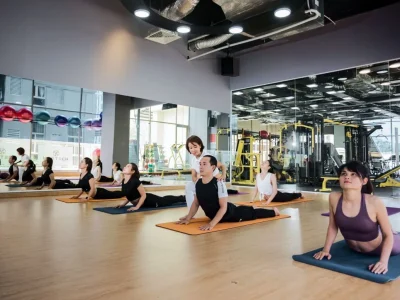
- Recovery-focused classes like yoga, mobility, or breathwork
- Air-conditioned spaces that support post-workout decompression
These additions may seem minor, but they make a big difference in how your body responds to training, especially after a tough session.
Trainer Support for Technique and Joint Safety
Many gym injuries happen because of poor technique. Even a small misalignment in a squat or shoulder press can lead to joint stress. That’s why professional trainer supervision is crucial, particularly during complex movements or when lifting heavier weights.
The best gym in Singapore ensures their trainers are actively engaged, providing corrections, education, and progress monitoring. They help you understand how to activate the right muscles, stabilise joints, and train within your limits. This approach doesn’t just prevent injury—it boosts long-term confidence and performance.
Creating a Culture That Encourages Listening to Your Body
There’s often a mindset in fitness that encourages pushing through discomfort. But pain and fatigue should never be ignored. The best gyms educate members on the difference between productive soreness and harmful pain.
Injury prevention is about awareness. Members are encouraged to adjust their routines based on how they feel that day. Taking a low-impact class instead of high-intensity training is seen as maturity, not weakness. This shift in culture is what makes a gym truly supportive.
How TFX Builds Recovery into the Member Experience
At TFX, recovery isn’t an afterthought—it’s built into the training philosophy. Their programmes include mobility drills, recovery sessions, and educational content to help members understand their bodies better. Trainers are attentive, offering guidance that prioritises safety and longevity.
TFX facilities include spaces dedicated to post-workout care, and their class schedule often features recovery-oriented options alongside strength and cardio. By balancing intensity with recovery, TFX helps members progress steadily without risking burnout or injury.
Recovery Is the Key to Progress That Lasts
In a culture that often equates success with intensity, taking time to recover can feel counterintuitive. But real results don’t come from doing more—they come from doing better. The best gym in Singapore teaches this balance, ensuring you not only reach your goals but stay healthy enough to enjoy them for years to come.
When recovery becomes part of your fitness lifestyle, injuries decrease, motivation improves, and your body performs at a higher level. Whether you’re training for a marathon or just want to move pain-free, recovery is what turns good training into great results.
FAQs: Injury Prevention and Recovery for Singapore Gym-Goers
Question & Ans:
Q: I’m worried about getting injured. Can a gym help me train safely?
A: Yes. A high-quality gym will offer beginner-friendly classes, trainer supervision, and personalised plans that reduce injury risk. Focused warm-ups, mobility work, and education are key features you should look for.
Question & Ans:
Q: Is it normal to feel sore after every workout?
A: Some muscle soreness is normal, especially when starting out or trying a new movement. However, constant soreness is a sign your body may need more recovery time. Balancing rest and exercise is essential.
Question & Ans:
Q: Can recovery sessions replace regular workouts?
A: Recovery sessions are meant to complement your training, not replace it. However, on days when you’re feeling exhausted or sore, taking a recovery class or doing mobility work can be more beneficial than pushing through a tough workout.
Question & Ans:
Q: How often should I rest to avoid injuries?
A: It depends on your fitness level and intensity, but most people benefit from at least 1–2 rest or active recovery days per week. Listening to your body and rotating intensity is the best prevention strategy.