 By Scott Will
The engineering that drives our vehicles forward is something most of us take for granted. Beneath the hood, a symphony of moving parts is orchestrated to propel us with reliability and efficiency. At the heart of this mechanical orchestra lies gear pump technology, a quiet but crucial component in the automotive industry.
This in-depth exploration dives into the inner workings of gear pumps, their role in revolutionizing the automotive sector, and the ongoing advancements that pave the way for a greener, more efficient automotive future.
Understanding Gear Pumps and Their Industrial Significance
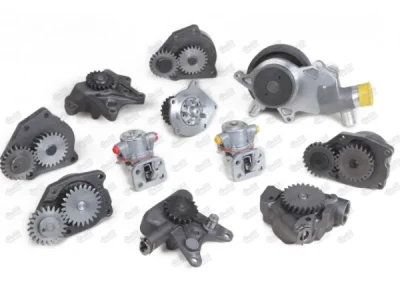
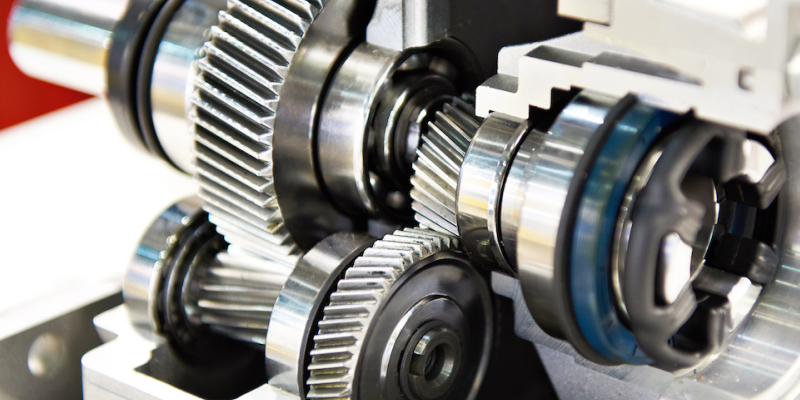
Gear pumps are positive displacement pumps that transport fluid using meshing gears. Known for their reliability and simplicity, they offer a steady flow and are widely used across various industrial settings. In automotive machinery, where robustness and precision are essential, gear pumps play an integral role in keeping vehicles running smoothly.
Beyond the consistency they provide, gear pumps are lauded for their compact design, energy efficiency, and low maintenance requirements. This post unpacks the specialized application of gear pumps in the automotive sector, illustrating the many ways this technology meets the demanding needs of modern vehicles.
The Role of Gear Pumps in Fuel Efficiency and Performance
Fuel efficiency is a major concern in the automotive industry, with a significant portion of research and development dedicated to minimizing fuel consumption. Gear pumps contribute to this endeavor by controlling the flow of hydraulic fluids in fuel injection systems, engines, and transmissions.
Notably, anti-lock braking systems (ABS) and power steering, which rely on hydraulic pressure to function, depend on the precise operation of gear pumps. By ensuring that the necessary fluid is delivered at the right moment and in the correct amount, gear pumps assist in optimizing the vehicle’s performance, reducing energy losses, and enhancing fuel economy.
Additionally, they play a pivotal part in vehicle cooling systems, assisting other critical components in maintaining the ideal operating temperature. The proper function of these systems is paramount to a car’s longevity and performance, solidifying the role of gear pumps as unsung heroes in the automotive narrative.
Advancements in Gear Pump Technology
The march of technology is unceasing, and industrial gear pumps have not escaped its innovative clutches. Recent advancements have introduced new materials and enhanced designs that offer even greater precision, reliability, and adaptability to the automotive domain.
High-tech manufacturing processes and the integration of digital control systems have amplified the capabilities of industrial gear pumps. These advances have pushed the boundaries of effective fluid management, enabling vehicles to operate with a level of intricacy and finesse that was once unimaginable.
Case Studies in Automotive Gear Pump Implementation
Real-world cases of gear pump assimilation in the automotive sector provide concrete examples of the technology’s impact. Case studies featuring specific vehicle models and their gear pump systems shed light on the tangible improvements in fuel efficiency and performance that these components deliver.
For instance, the installation of advanced gear pump solutions in commercial fleet vehicles has led to a measurable reduction in fuel consumption, equating to substantial cost savings for operators. Similarly, gear pumps in racing cars have not only enhanced responsiveness and speed but also managed heat distribution to prevent overheating, a common pitfall in high-performance machines.
The Future of Gear Pumps in Vehicles
Looking ahead, the future is bright for gear pump technology as vehicles evolve towards greater electrification and sustainability. Gear pumps are poised to play a pivotal role in hybrid and electric cars, where they will manage hydraulic systems responsible for power distribution and torque vectoring.
The integration of gear pumps into alternative fuel technologies and eco-friendly vehicles presents a roadmap for environmental stewardship in the automotive industry. With each advancement, the reliance on traditional fuel sources wanes, and the potential for gear pumps to contribute to a cleaner, more efficient driving experience grows.
Gear pumps might not be as flashy as the latest infotainment system or as eye-catching as aerodynamic body designs, but their influence on the automotive industry is profound. From improving fuel efficiency to enhancing vehicle performance and advancing the horizons of ecological driving, gear pumps are at the center of automotive innovation.
This exploration serves to underscore the importance of gear pump technology and its enduring legacy in an industry that continually pushes the boundaries of what’s possible. It’s a call to action for both enthusiasts and professionals to appreciate the inner workings of the vehicles we rely on every day.
The harmonious intersection of engineering and mechanical finesse is exemplified in gear pump technology. It stands as an unsung testament to the tireless drive of human ingenuity, continually propelling us toward a future of automotive excellence.